
Meta Description:
Healthy pasta recipe ready in 30 minutes with vegetables, lean protein, and simple ingredients for a balanced, satisfying weeknight meal.
Recipe Snapshot
| Detail | Information |
|---|---|
| Prep Time | 10 minutes |
| Cook Time | 20 minutes |
| Total Time | 30 minutes |
| Servings | 4 |
| Course | Main Dish |
| Cuisine | American / Mediterranean-inspired |
| Main Method | Stovetop |
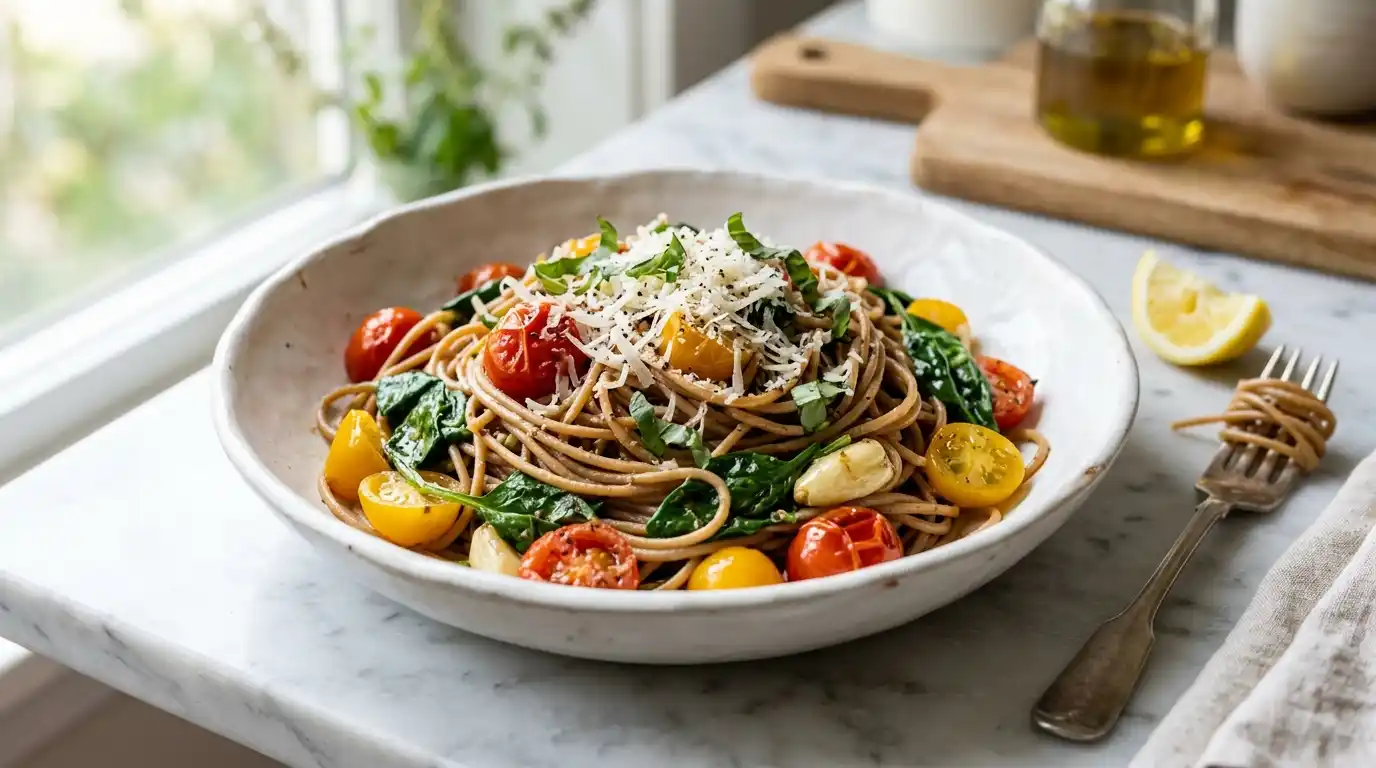
A healthy pasta recipe can be both satisfying and practical, even on busy weeknights. While pasta is sometimes viewed as a food to avoid when trying to eat more balanced meals, the reality is that pasta can fit comfortably into a nutritious eating pattern when paired with vegetables, lean protein, healthy fats, and appropriate portion sizes.
This recipe combines whole wheat pasta, colorful vegetables, and protein-rich ingredients to create a meal that is filling without relying on heavy sauces. It is suitable for busy families, students, meal preppers, and anyone looking for an easy weeknight dinner.
If you enjoy simple homemade meals, you may also appreciate a low calorie casserole recipe as another option for balanced weeknight cooking.
In this guide, you’ll learn how to choose ingredients, build a balanced pasta meal, customize the recipe for different dietary preferences, store leftovers safely, and avoid common cooking mistakes.
Table of Contents
Quick Answer
A healthy pasta recipe combines pasta with vegetables, lean protein, healthy fats, and a lighter sauce rather than relying on large amounts of cream, butter, or processed ingredients. Whole wheat pasta, chickpea pasta, lentil pasta, and traditional pasta can all work depending on personal preferences and dietary goals.
The key is creating balance across the entire meal. Vegetables add fiber, texture, and volume. Protein sources such as chicken, beans, shrimp, tofu, or chickpeas help make meals more satisfying. Olive oil-based sauces often provide a lighter alternative to heavy cream sauces.
Rather than focusing on whether pasta itself is “healthy” or “unhealthy,” it is more useful to consider portion sizes, ingredient quality, and overall meal composition. When prepared thoughtfully, pasta can be part of a nutritious and enjoyable dinner.
What Makes a Pasta Recipe Healthy?
A healthy pasta recipe focuses on balance rather than restriction.
Key elements include:
- Balanced portions
- Fiber-rich ingredients
- Plenty of vegetables
- Adequate protein
- Moderate amounts of healthy fats
- Sensible sauce choices
Healthy eating patterns look at the overall meal rather than labeling individual foods as good or bad. A bowl of pasta that includes vegetables, lean protein, and a moderate amount of olive oil is very different from a large serving covered in a heavy cream-based sauce.
The goal is to create a meal that provides satisfaction, variety, and nutritional value without becoming overly complicated.
Why This Recipe Works
This recipe succeeds because it uses simple ingredients that complement each other.
- Vegetables add texture, color, and volume.
- Lean protein helps increase meal satisfaction.
- Pasta provides convenient energy and versatility.
- Olive oil creates a lighter sauce base.
- Ingredients can be customized easily.
- Leftovers work well for meal prep.
- The recipe is family-friendly and adaptable.
The result is a balanced pasta dish that feels substantial while remaining easy to prepare in about 30 minutes.
Ingredients You’ll Need
Pasta
Several pasta varieties work well:
- Whole wheat pasta
- Chickpea pasta
- Lentil pasta
- Traditional pasta
Whole wheat pasta offers a slightly nuttier flavor and more fiber. Chickpea and lentil pastas generally provide higher protein and fiber content. Traditional pasta remains a popular choice for its familiar texture and flavor.
Vegetables
Recommended vegetables include:
- Broccoli
- Spinach
- Bell peppers
- Zucchini
- Cherry tomatoes
- Mushrooms
Vegetables contribute texture, color, and variety. Zucchini becomes tender and mild when cooked. Bell peppers add sweetness and crunch. Tomatoes release moisture that helps create a light sauce. Spinach softens quickly and blends easily into the dish.
Protein
Choose one or more of the following:
- Chicken breast
- Ground turkey
- Shrimp
- Tofu
- White beans
- Chickpeas
Protein helps create a more satisfying meal and can support balanced meal planning. If you’re looking for additional protein-focused meal ideas, a high protein slow cooker recipe can complement a weekly menu that includes this pasta dish.
Healthy Fats
Healthy fat options include:
- Olive oil
- Avocado
- Nuts
- Seeds
Olive oil works particularly well because it coats ingredients lightly without overwhelming the vegetables.
Seasonings
Flavor the dish with:
- Garlic
- Onion
- Basil
- Oregano
- Parsley
- Red pepper flakes
- Black pepper
Simple seasonings often allow the vegetables and protein to remain the focus.
Equipment Needed
You’ll need:
- Large pot
- Colander
- Large skillet
- Chef’s knife
- Cutting board
- Measuring spoons
These basic kitchen tools are enough to prepare the entire meal.
Healthy Pasta Ingredients List
- 8 ounces whole wheat pasta
- 2 tablespoons olive oil
- 3 garlic cloves, minced
- 1 zucchini, diced
- 1 red bell pepper, chopped
- 1 cup cherry tomatoes, halved
- 2 cups baby spinach
- 1 pound cooked chicken breast or chickpeas
- 1 teaspoon Italian seasoning
- 1/2 teaspoon salt
- 1/4 teaspoon black pepper
- 2 tablespoons grated Parmesan cheese (optional)
- Fresh parsley for garnish
How to Make Healthy Pasta Recipe
Step 1: Cook the pasta
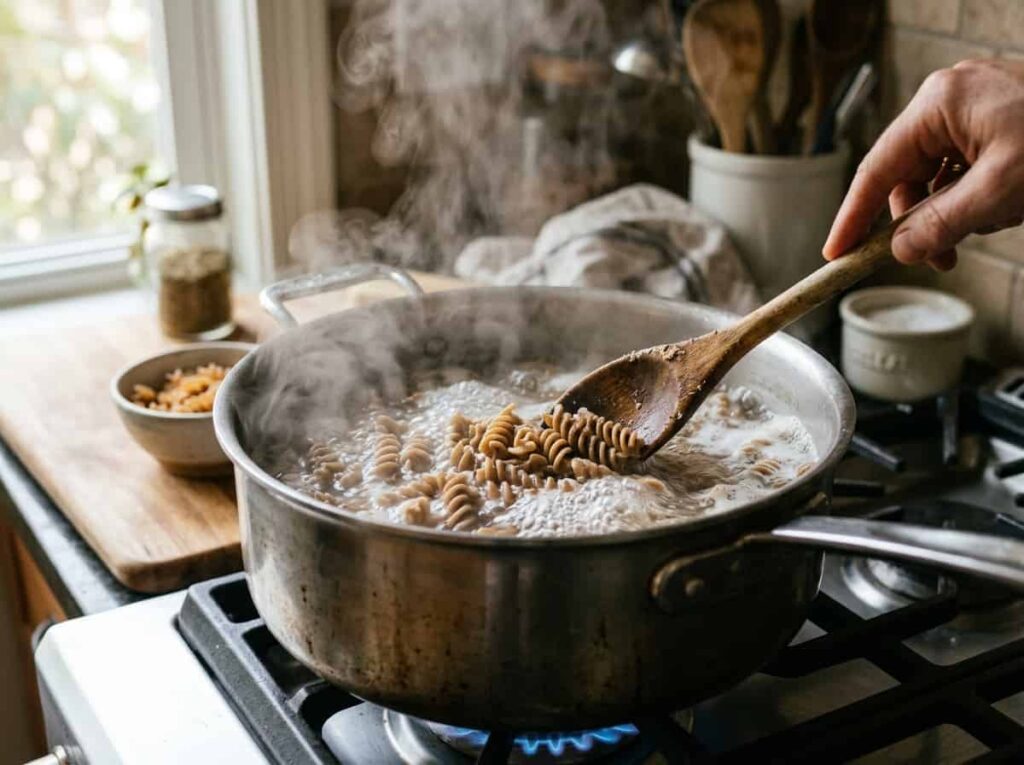
Cook the pasta according to package directions until al dente.
Before draining, reserve about 1 cup of pasta water. This starchy liquid can help create a light sauce later.
Step 2: Prepare the vegetables
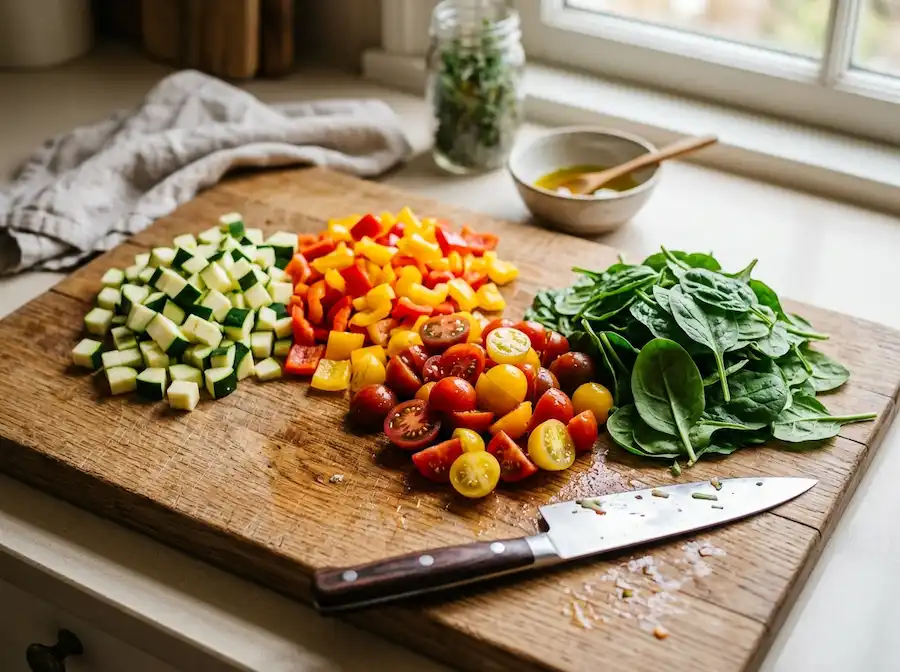
Wash and chop all vegetables before starting.
Keeping pieces relatively uniform promotes even cooking and helps every bite contain a mix of ingredients.
Step 3: Cook the vegetables
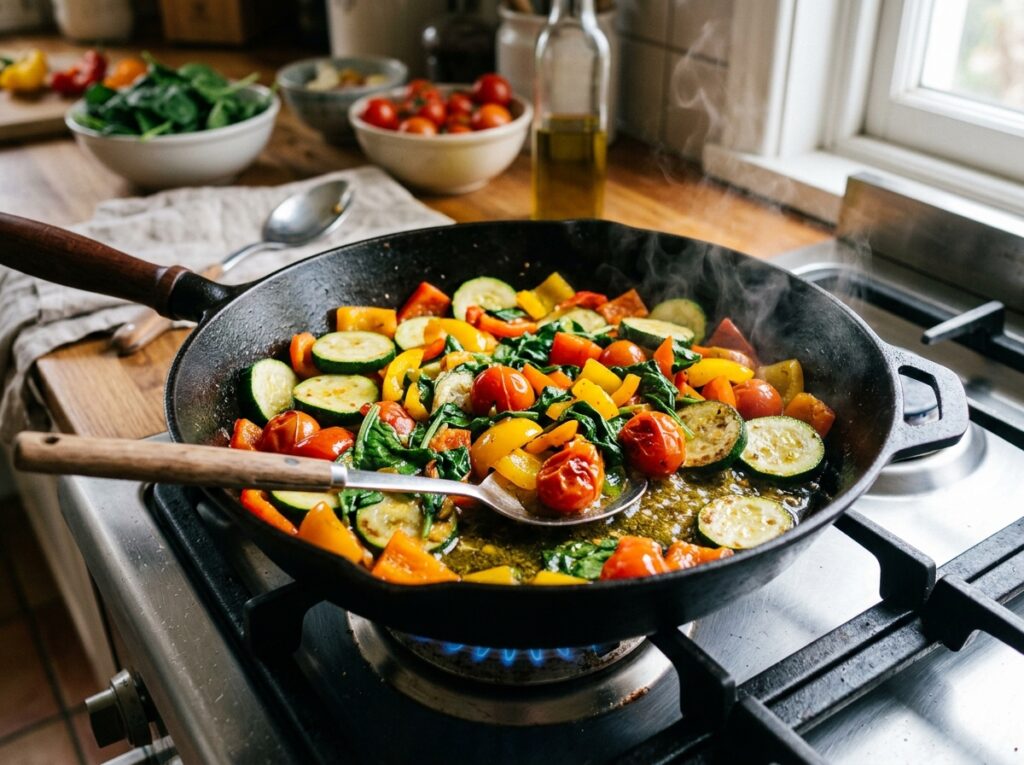
Heat olive oil in a large skillet over medium heat.
Add zucchini and bell peppers first since they require more cooking time. Cook for about 4 to 5 minutes.
Add cherry tomatoes and cook until slightly softened. Stir in spinach last because it wilts quickly.
Different vegetables cook at different rates, so adding them in stages helps preserve texture.
Step 4: Add protein
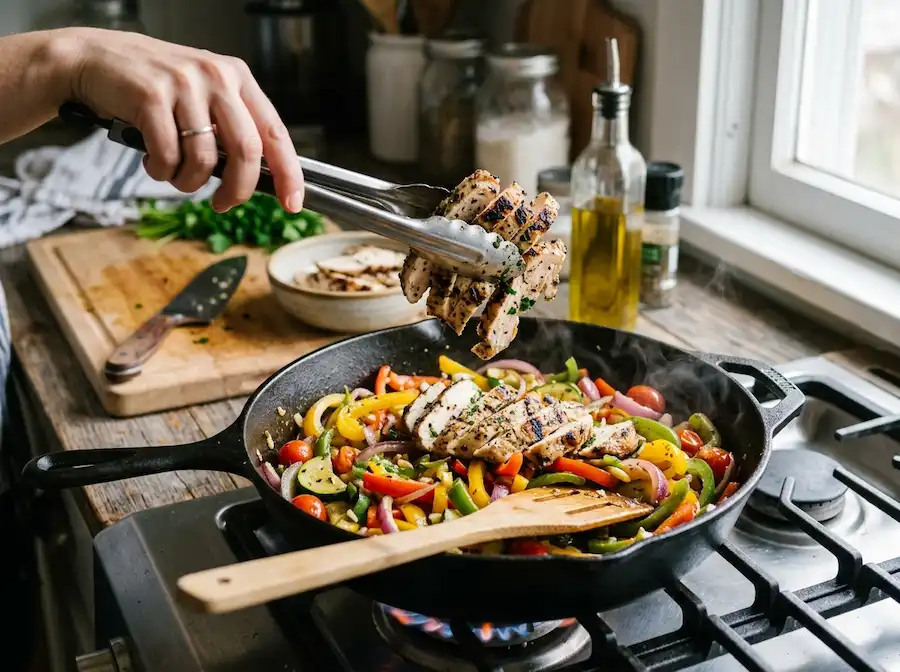
Add the cooked chicken, chickpeas, tofu, beans, or shrimp.
Warm gently until heated through. Avoid overcooking lean proteins, which can become dry.
Step 5: Combine everything
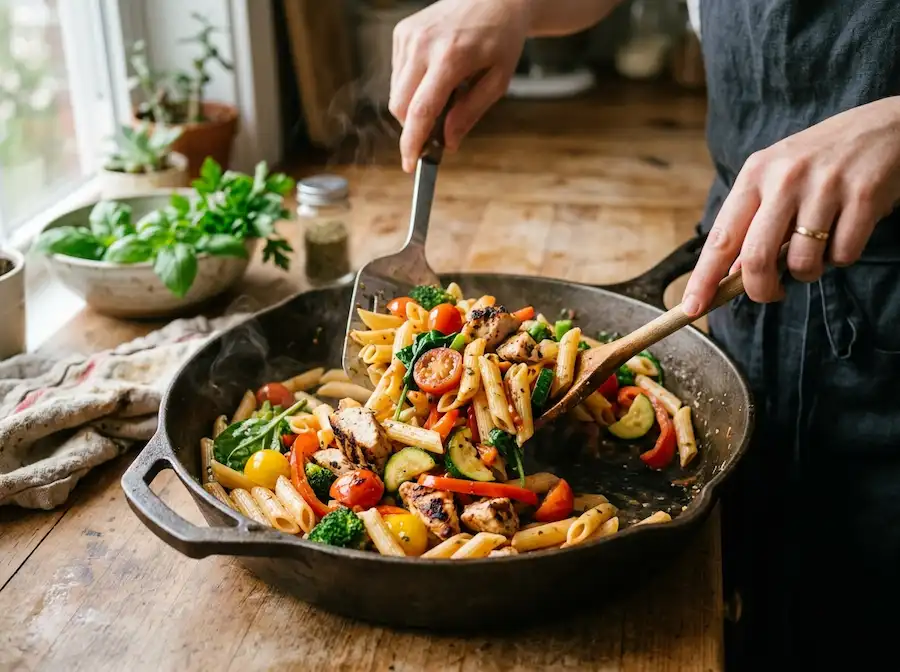
Add the cooked pasta to the skillet.
Season with Italian seasoning, salt, and black pepper. Toss everything together.
Add small amounts of reserved pasta water as needed to create a light, cohesive sauce.
Step 6: Finish and serve
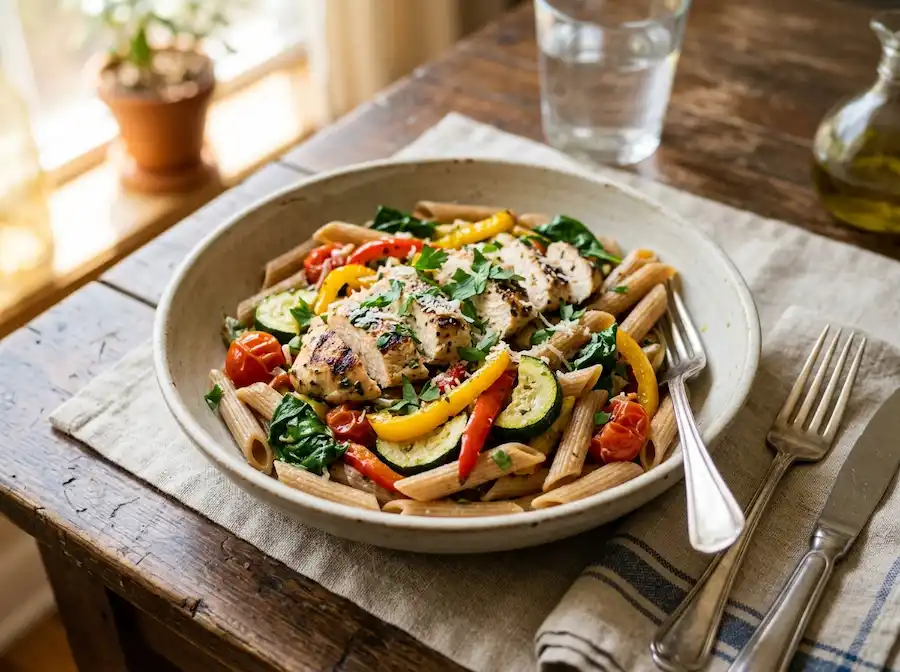
Remove from heat.
Top with fresh parsley and optional Parmesan cheese.
Serve immediately for the best texture.
When planning balanced eating habits throughout the day, many people pair meals like this with a healthy eggs for breakfast recipe earlier in the day to help distribute protein and vegetables across multiple meals.
Ingredient Comparison Table
| Ingredient Option | Protein | Fiber | Best For |
|---|---|---|---|
| Whole Wheat Pasta | Moderate | High | Balanced meals |
| Chickpea Pasta | High | High | Higher-protein meals |
| Lentil Pasta | High | High | Meal prep |
| Traditional Pasta | Moderate | Lower | Classic texture |
Each option can fit into a nutritious pasta recipe. The best choice depends on personal preferences, dietary goals, and desired texture.
How to Serve Healthy Pasta
This quick pasta meal pairs well with:
- A simple side salad
- Roasted vegetables
- Grilled chicken
- Grilled shrimp
- Meal-prep lunch portions
- Family-style dinners
For households planning multiple meals each week, this dish can easily rotate alongside a healthy family dinner recipe to provide variety without requiring extensive preparation.
How Much Pasta to Serve Per Person
General serving guidelines include:
- Light meal: 2 ounces dry pasta per person
- Main meal: 2–3 ounces dry pasta per person
- Active individuals may choose larger portions based on their needs
Including vegetables and protein can make meals feel more filling without requiring excessive amounts of pasta.
Recipe Variations and Substitutions
Vegetarian Healthy Pasta
Use chickpeas, white beans, or tofu instead of meat.
Vegan Healthy Pasta
Skip Parmesan cheese and use plant-based protein options.
High-Protein Pasta
Choose chickpea or lentil pasta and add chicken, turkey, shrimp, or tofu.
Mediterranean Pasta
Add olives, artichokes, and fresh herbs.
Shrimp Pasta
Replace chicken with shrimp for a lighter seafood variation.
Chicken Pasta
Use grilled or roasted chicken breast for additional protein.
Gluten-Free Pasta
Substitute certified gluten-free pasta.
Meal-Prep Pasta
Store individual portions in containers for quick lunches.
Limitations to consider:
- Alternative pastas may have different textures.
- Overcooked vegetables can become mushy.
- Excessive sauce can overpower fresh ingredients.
Recipe Notes
- Salt the pasta water.
- Avoid overcooking vegetables.
- Reserve pasta water before draining.
- Use fresh herbs whenever possible.
- Adjust seasoning gradually.
- Serve soon after cooking.
Expert Tips for Better Results
Cook vegetables separately when needed
Different vegetables require different cooking times. Staggering additions helps maintain texture.
Save pasta water
Pasta water can help create a smoother, lighter sauce without additional fat.
Balance protein and vegetables
A balanced ratio of vegetables, protein, and pasta improves the overall meal.
Avoid heavy sauces
Lighter sauces allow vegetables and seasonings to remain noticeable.
Use fresh herbs
Fresh parsley, basil, and oregano can brighten the finished dish.
Taste before serving
A final taste test helps ensure proper seasoning.
Common Mistakes to Avoid
Overcooking pasta
Overcooked pasta may become soft and lose texture.
Overcrowding the skillet
Too many ingredients at once can lead to steaming rather than sautéing.
Using too little seasoning
Even healthy meals benefit from proper seasoning.
Adding too much sauce
Heavy sauces can overshadow vegetables and protein.
Ignoring protein
Protein contributes to meal satisfaction and balance.
Skipping vegetables
Vegetables add texture, volume, and variety.
Storage and Reheating
Store leftovers in airtight containers.
- Refrigerate for up to 4 days.
- Reheat gently in a skillet.
- Add a splash of water if needed.
- Stir occasionally while reheating.
- Expect pasta texture to soften slightly during storage.
Nutrition Notes
This healthy pasta dinner offers several practical nutritional benefits:
- Protein supports meal satisfaction.
- Vegetables provide fiber and variety.
- Whole grain pasta options may contribute additional fiber.
- Portion size remains important.
- Balanced meals are more useful than focusing on individual ingredients alone.
No single ingredient determines whether a meal is nutritious. The combination of ingredients and serving sizes matters most.
Comparison Section: Healthy Pasta vs Other Dinner Options
| Meal Type | Preparation Time | Protein Potential | Vegetable Content | Meal Prep Friendly |
|---|---|---|---|---|
| Healthy Pasta | Moderate | High | High | Excellent |
| Fast Food Pasta | Fast | Variable | Often Lower | Poor |
| Frozen Dinner | Fast | Variable | Variable | Moderate |
| Homemade Grain Bowl | Moderate | High | High | Excellent |
Healthy pasta provides flexibility, customization, and meal-prep advantages while remaining relatively quick to prepare.
Best Practices
For consistent results:
- Plan ingredients ahead of time.
- Choose fresh vegetables.
- Include a quality protein source.
- Monitor portion sizes.
- Cook pasta properly.
- Store leftovers safely.
- Balance flavors and textures.
Advanced Insights
Pasta remains popular because it is affordable, versatile, and easy to prepare.
Fiber-rich ingredients such as vegetables, legumes, and whole grain pasta can contribute to meal satisfaction. Protein sources help create a more balanced meal composition and often make meals feel more substantial.
Vegetables increase food volume while adding texture and variety. This can help create visually appealing meals without relying solely on larger pasta portions.
Meal preparation also reduces dependence on convenience foods. Having ready-to-eat portions available may make it easier to maintain consistent eating habits during busy weeks.
Different pasta varieties influence the final texture. Traditional pasta often provides the most familiar bite, while chickpea and lentil pastas may be slightly firmer and denser.
Frequently Asked Questions
1. Can pasta be part of a healthy diet?
Yes. Pasta can fit into a balanced eating pattern when combined with vegetables, protein, and reasonable portion sizes.
2. What is the healthiest pasta to use?
There is no single healthiest option. Whole wheat, chickpea, lentil, and traditional pasta can all fit different dietary preferences.
3. How can I add more protein to pasta?
Add chicken, turkey, shrimp, tofu, beans, chickpeas, or higher-protein pasta varieties.
4. Can I meal prep this recipe?
Yes. It stores well in the refrigerator for up to four days.
5. Is whole wheat pasta healthier than regular pasta?
Whole wheat pasta generally contains more fiber, but both can be part of balanced meals.
6. What vegetables work best?
Broccoli, spinach, peppers, zucchini, mushrooms, and tomatoes are all excellent choices.
7. Can I make this recipe vegetarian?
Absolutely. Replace meat with beans, chickpeas, tofu, or other plant-based proteins.
8. How long do leftovers last?
Stored properly in the refrigerator, leftovers typically last up to four days.
9. Can I freeze healthy pasta?
Yes, although some vegetables may soften after thawing and reheating.
10. What should I serve with healthy pasta?
A side salad, roasted vegetables, grilled protein, or fresh fruit can complement the meal.
Conclusion
This healthy pasta recipe demonstrates that pasta can be part of a balanced meal when prepared with thoughtful ingredient choices. Vegetables add texture and variety, protein helps create a more satisfying dish, and moderate sauce use allows the ingredients to remain the focus.
Whether you choose whole wheat pasta, chickpea pasta, lentil pasta, or traditional pasta, the most important factors are balance, portion awareness, and ingredient quality. For additional meal inspiration, you might also explore a quiche lorraine vegetarian recipe as part of a varied weekly menu.
A practical approach is to keep this recipe flexible, adjust ingredients based on what you have available, and build meals around vegetables, protein, and sensible portions.